

Understanding PVC Fabric: Composition and Properties
PVC fabric, short for polyvinyl chloride fabric, is a versatile material widely used in industries ranging from upholstery to outdoor gear. Made by combining a base fabric, usually polyester or cotton, with a PVC coating, it gains enhanced durability, water resistance, and flexibility. PVC fabric is prized for its smooth surface, bright colors, and ability to resist mildew and mold, making it a top choice for marine covers, tents, and inflatables. Additionally, the PVC layer protects the fabric from UV rays, extending the material’s lifespan even in harsh outdoor conditions.
Vinyl Fabric Explained: What Makes it Unique
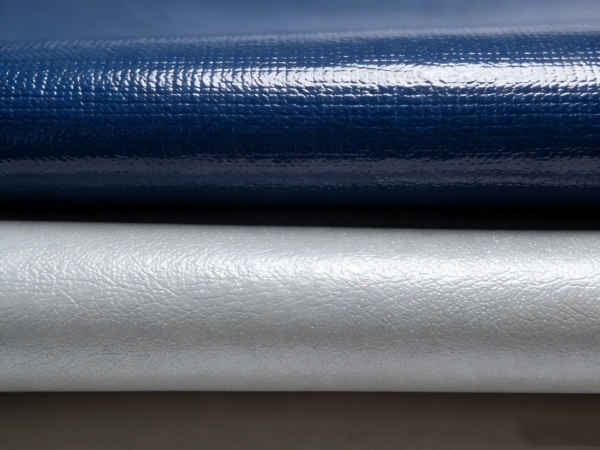
Vinyl fabric is often confused with PVC fabric, but there are key distinctions. Technically, vinyl refers to any material made from vinyl polymers, which includes PVC but can also include other types of synthetic resins. Vinyl fabrics are typically softer and more pliable than standard PVC-coated fabrics, and they are often used for clothing, tablecloths, and decorative coverings. While both PVC and vinyl fabrics are waterproof, vinyl tends to have a more flexible feel and slightly lower resistance to heavy wear, which is why it is preferred in applications where comfort and drapability are essential.
Durability and Water Resistance Comparison
When comparing PVC fabric vs vinyl fabric, durability and water resistance are two major factors. PVC fabric usually outperforms vinyl in toughness, resisting scratches, tears, and punctures more effectively. Its dense coating ensures excellent waterproofing, making it ideal for outdoor furniture, tarpaulins, and industrial covers. Vinyl fabric, while water-resistant, is generally less rugged under extreme conditions but excels in applications requiring light, flexible, and easy-to-clean materials. For long-term outdoor use, PVC is often the superior choice, whereas vinyl works well for indoor or moderate-use scenarios.
Common Applications for PVC and Vinyl Fabrics
The choice between PVC and vinyl fabric often depends on the intended use. PVC fabric applications include:
• Marine covers and boat upholstery
• Inflatable products like bouncy castles and water bladders
• Industrial tarps and protective covers
Vinyl fabric applications often focus on comfort, appearance, and indoor use:
• Upholstery for chairs and sofas
• Tablecloths and decorative coverings
• Clothing, raincoats, and lightweight bags
Understanding these application areas can help manufacturers, designers, and consumers choose the right material for their projects, balancing durability, flexibility, and cost.
Maintenance and Cleaning Tips for Each Material
Both PVC and vinyl fabrics are relatively low-maintenance but require different cleaning approaches to maximize their lifespan. PVC fabric can be cleaned with a mild detergent and water, avoiding abrasive scrubbing that might damage the coating. Vinyl fabric, being softer, should be wiped gently with a damp cloth and mild soap to prevent surface cracking. Regular cleaning, proper storage, and avoiding prolonged exposure to extreme temperatures or direct sunlight can significantly extend the life of both materials.


